Time trend of dialog on covers
Introduction
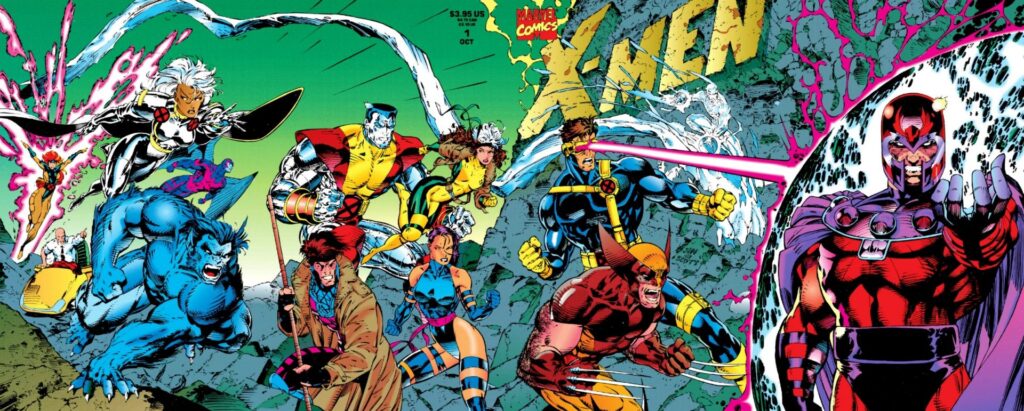
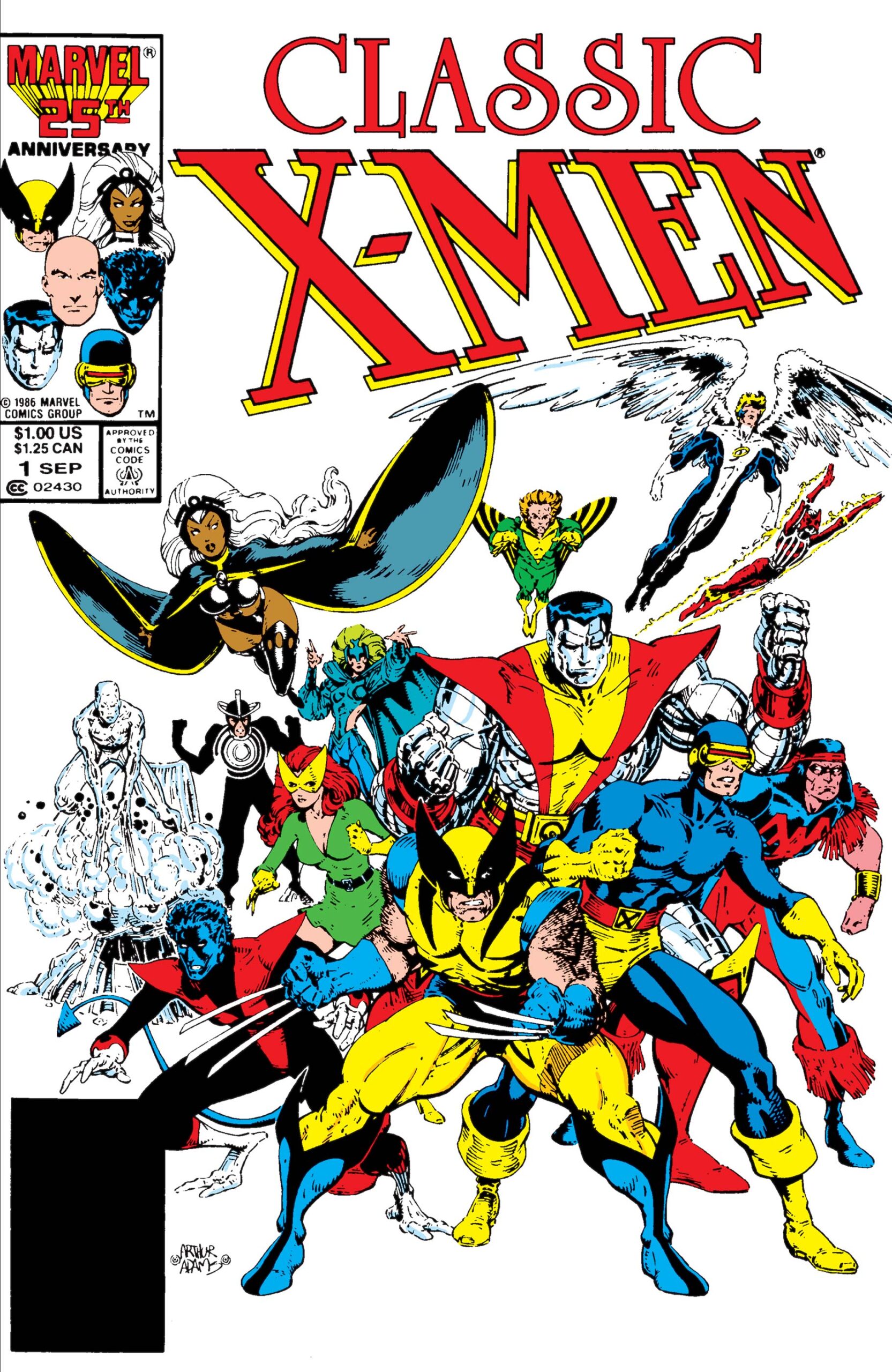
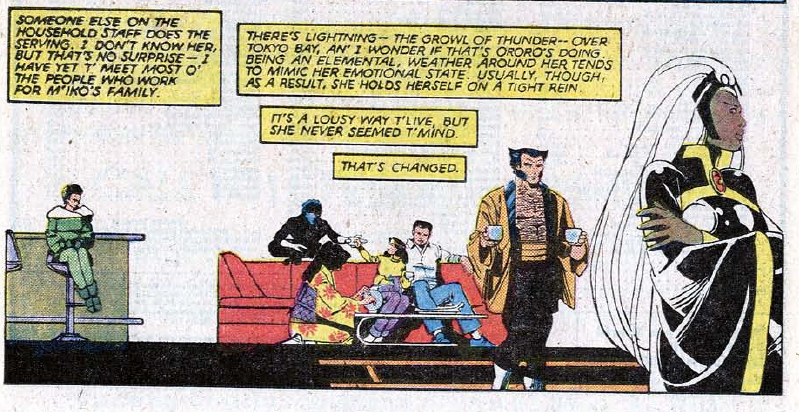
In this project, we will be looking into a question: How often do Uncanny X-Men covers “speak,” and does cover speech coincide with the imagery? We will be looking at issue #150-219, 70 covers in total, and measure the presence and amount of cover text (narrative captions and dialog) and compare it to the number of characters depicted.
Sources
The dataset I will use to achieve this project is the uncanny-xman-150-220-covers which I downloaded from the class shared Google Docs. The original csv file displayed 8 columns and 70 rows. You can find the link to the original csv file below.
To clean up the data, I renamed all the fields so it’s easier to analyze the dialogs on the covers.
Here’s all the explanation of the new column names:
n_chars_visualized = number of listed characters on the cover.
n_chars_speaking = number of listed speakers.
n_caption_tokens = word count in narrative captions (per cover).
n_dialog_tokens = word count in dialog bubbles (per cover).
You can find the cleaned up version of the data below.

Process
I computed total_tokens by summing narrative and dialog token counts. From this undated info, I built two plots using RAWgraph. The first charts is a line graph that uses 0/1 series to show whether narrative captions or dialog appear on the given cover. The second is a scatterplot with characters on the x-axis and total tokens on the y-axis.
Presentation
The first plot, titled “Text on Uncanny X-Men Covers (#150–219),” visualizes the presence of narrative captions and dialog by issue. The second, “Characters vs Total Text Tokens (Uncanny X-Men #150–219),” plots shows size against text quantity. The data I used to create these plots are listed above in the sources section.


Findings
Most covers are text-silent, especially single-figure images, which cluster at one character and zero tokens in plot 2. Increasing the number of depicted characters does not systematically increase the amount of text, which goes against the intuition that group character covers are “talkier.”
Significance
WhenI think of comics covers, I view them as the comic’s tone setter, they set the vibe before you even open the issue. According to the Xmen cover data , the vibe is mostly big, iconic poster imagery instead of chatty speech bubbles. From a DH angle, I’m turning those vibes into data (is their text, who’s “speaking,” how many figures) and then asking what the numbers miss. However, this is a small slice, and character lists can be messy. Counting words also ignores how loud the visuals feel (big fonts, giant bubbles, etc.).

Got questions?
Feel free to reach out.